
Written November 2025
We’ve forgotten that we live in a more than human world.
We’ve designed a system where the only acceptable form of non-human life is the one that performs for us.
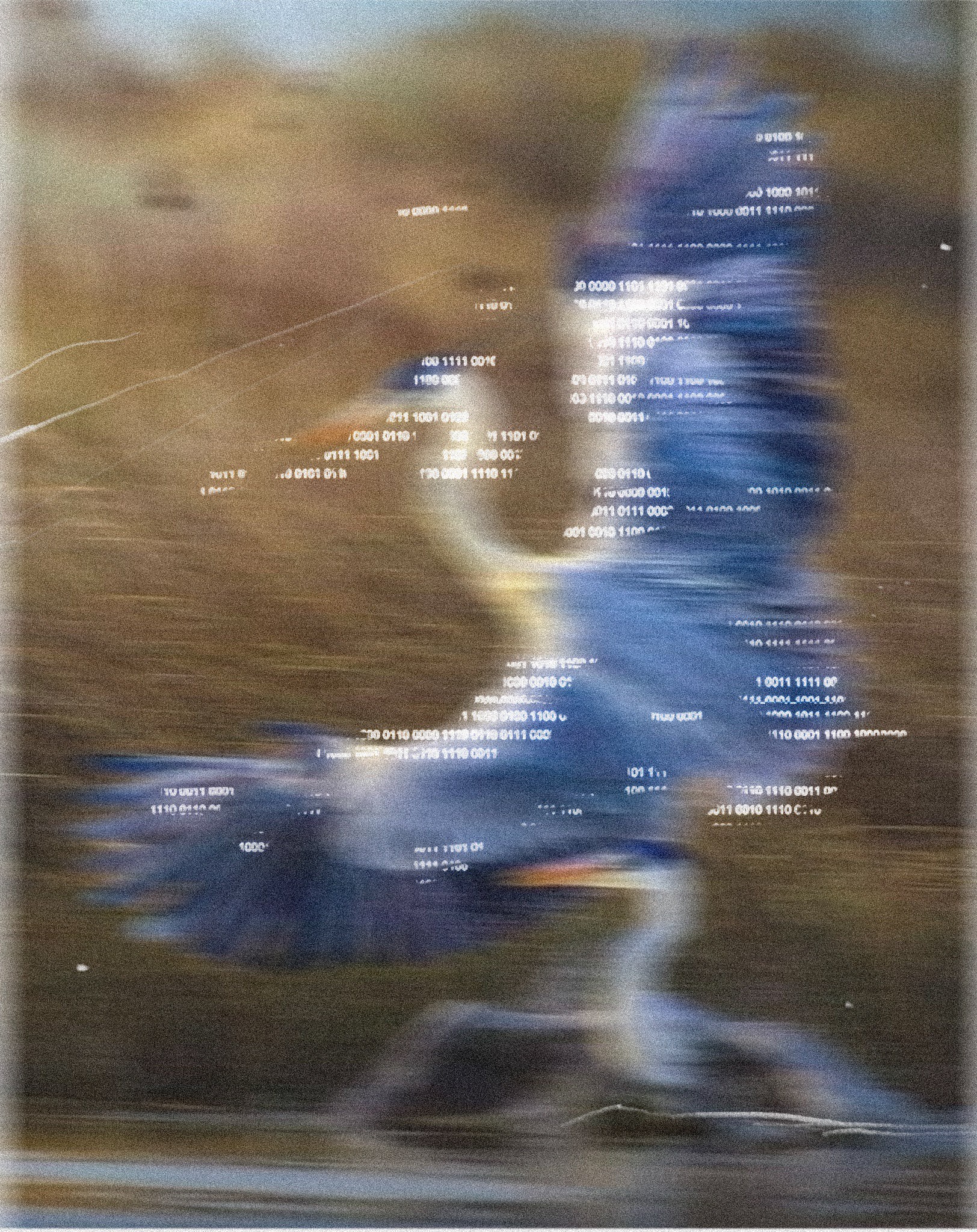
Digital Drawing by Megan Geer
We’ve designed a system where the only acceptable form of non-human life is the one that performs for us.
Not in the theatrical sense, but in the functional one.
Trees provide shade, plants look pretty in a lobby, bees and butterflies pollinate our crops, cats and dogs are cute and comforting.
We tolerate their presence in our society as long as they stay out of the trash bins, don’t interrupt traffic, and on’t inconvenience supply chains.
Their value is framed almost entirely around their service, not their being.
We’ve collapsed their identity into their usefulness. We no longer meet a tree as a being with its own lifespan, community (fungi, insects, birds), and history. We meet it as “landscaping.” A raccoon is not a complex urban adapter with problem-solving intelligence — it’s a nuisance. A houseplant isn’t a participant in the oxygen cycle — it’s a décor choice. Their intrinsic value is overshadowed by our desired value.
We’ve replaced reciprocity with control. We decide which species get to exist near us and under what conditions. We prune, trap, kill, house, cage, or genetically modify them.
We’ve lost the ability — and maybe even the imagination — to see non-human life as self-directed. When every living thing around us is domesticated by design, we stop remembering what real autonomy looks like.
Wildness becomes an inconvenience, a liability, a threat, an afterthought, a thing to be kept behind fences, or far away in designated “natural” zones. We’ve forgotten that these beings are not extensions of us. When we’ve stop seeing autonomy, we stop seeing the relationships that make a forest a forest, not just a cluster of green. We’ve turned rich, interdependent webs of life into a two-category system: useful or intrusive.
So what does this ultimately say?
That we have structured our environments to protect our illusion of mastery. It feeds our ego and reinforces the narrative that humans are the rulers and center of life on earth. We’re the dominant species chosen by God and granted authority over the other being on this planet.
We’ve forgotten that we live in a more than human world.
To prevent us from encountering nature as an equal, unpredictable, intelligent force.
We’ve created a world where everything non-human is curated. Wildness is domesticated or exiled. Reciprocity is replaced with control. Other beings are denied their own narratives. And because of this, we no longer remember what it feels like to be in relationship with a world that is alive for itself, not for us.