

capstone proposal
My capstone grows from a rupture in how I understood the world. I didn’t begin with a theory about design, ecology, or the metaverse—only a quiet dissatisfaction with the curated, human-centered reality I had been taught to accept. As I read AI theory and began recognizing machine intelligence in forms that defied linear, Western notions of rationality, I realized how narrow my frame of reference had been. If I could acknowledge AI as a legitimate intelligence, why couldn’t I extend that same recognition to the living ecologies that predate us? This reframed the human-centered narrative as not a universal truth, but a recent cultural artifact—one that shapes how we design systems, measure progress, and determine whose agency “counts.”
This realization led me to my capstone direction: exploring how metaverse design can either reinforce or rupture this narrative. In digital worlds, nature exists only when coded, seasons only when scheduled, and animals only when they serve the user—making the metaverse one of the purest exports of Western control. My research asks how we might design virtual ecosystems that reintroduce unpredictability, autonomy, and more-than-human ways of relating. How can digital worlds honor cosmologies that see nature as intelligent and self-directed rather than decorative? Where is the line between constraints that invite reflection and those that threaten player autonomy? Ultimately, my capstone investigates how metaverse design might help us practice a different relationship with the living world—not by escaping reality, but by learning how to enter it again.
capstone exploration 2024
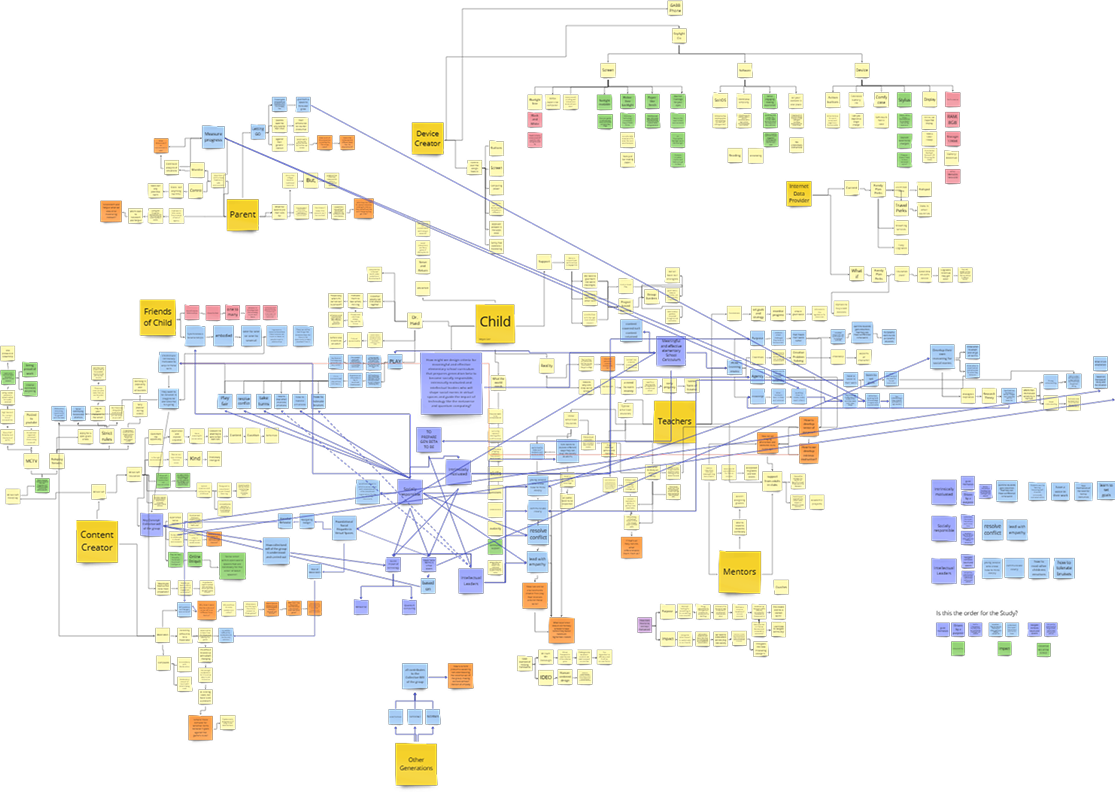
Capstone Exploration Part 1: Finding the Thread Between my Strong Compulsions, Interests, and Anxieties.
During my last few quarters at SCAD, I started to notice strong compulsions and interests towards topics like:
the biological workings of our brain
how our beliefs and opinions impact how we interact with carefully designed products and experiences
I also started to feel an inescapable anxiety and fear over where social media was heading and what impact the Metaverse would have on my life. At this stage, I remember feeling so overwhelmed and lost in all these feeling I couldn't understand or properly articulate. I decided use IDEO’s Complex Problem Solving class to give me the structure, pacing, and accountability I need to start finding that common thread and purpose that can come out of these strong but seemingly disconnected compulsions and interests. This whole discovery process is captured in Part 1: Capstone Exploration.
Throughout every step of this process, I questioned, refocused, and refined my central question until it reflected my real interest and intended impact that I want to make. With the support from faculty, experts, and my classmates, I hope to make big waves into tacking this problem.
capstone proposal
My capstone grows from a rupture in how I understood the world. I didn’t begin with a theory about design, ecology, or the metaverse—only a quiet dissatisfaction with the curated, human-centered reality I had been taught to accept. As I read AI theory and began recognizing machine intelligence in forms that defied linear, Western notions of rationality, I realized how narrow my frame of reference had been. If I could acknowledge AI as a legitimate intelligence, why couldn’t I extend that same recognition to the living ecologies that predate us? This reframed the human-centered narrative as not a universal truth, but a recent cultural artifact—one that shapes how we design systems, measure progress, and determine whose agency “counts.”
This realization led me to my capstone direction: exploring how metaverse design can either reinforce or rupture this narrative. In digital worlds, nature exists only when coded, seasons only when scheduled, and animals only when they serve the user—making the metaverse one of the purest exports of Western control. My research asks how we might design virtual ecosystems that reintroduce unpredictability, autonomy, and more-than-human ways of relating. How can digital worlds honor cosmologies that see nature as intelligent and self-directed rather than decorative? Where is the line between constraints that invite reflection and those that threaten player autonomy? Ultimately, my capstone investigates how metaverse design might help us practice a different relationship with the living world—not by escaping reality, but by learning how to enter it again.
capstone exploration 2024
Capstone Exploration Part 1: Finding the Thread Between my Strong Compulsions, Interests, and Anxieties.
During my last few quarters at SCAD, I started to notice strong compulsions and interests towards topics like:
the biological workings of our brain
how our beliefs and opinions impact how we interact with carefully designed products and experiences
I also started to feel an inescapable anxiety and fear over where social media was heading and what impact the Metaverse would have on my life. At this stage, I remember feeling so overwhelmed and lost in all these feeling I couldn't understand or properly articulate. I decided use IDEO’s Complex Problem Solving class to give me the structure, pacing, and accountability I need to start finding that common thread and purpose that can come out of these strong but seemingly disconnected compulsions and interests. This whole discovery process is captured in Part 1: Capstone Exploration.
Throughout every step of this process, I questioned, refocused, and refined my central question until it reflected my real interest and intended impact that I want to make. With the support from faculty, experts, and my classmates, I hope to make big waves into tacking this problem.
capstone proposal
My capstone grows from a rupture in how I understood the world. I didn’t begin with a theory about design, ecology, or the metaverse—only a quiet dissatisfaction with the curated, human-centered reality I had been taught to accept. As I read AI theory and began recognizing machine intelligence in forms that defied linear, Western notions of rationality, I realized how narrow my frame of reference had been. If I could acknowledge AI as a legitimate intelligence, why couldn’t I extend that same recognition to the living ecologies that predate us? This reframed the human-centered narrative as not a universal truth, but a recent cultural artifact—one that shapes how we design systems, measure progress, and determine whose agency “counts.”
This realization led me to my capstone direction: exploring how metaverse design can either reinforce or rupture this narrative. In digital worlds, nature exists only when coded, seasons only when scheduled, and animals only when they serve the user—making the metaverse one of the purest exports of Western control. My research asks how we might design virtual ecosystems that reintroduce unpredictability, autonomy, and more-than-human ways of relating. How can digital worlds honor cosmologies that see nature as intelligent and self-directed rather than decorative? Where is the line between constraints that invite reflection and those that threaten player autonomy? Ultimately, my capstone investigates how metaverse design might help us practice a different relationship with the living world—not by escaping reality, but by learning how to enter it again.
capstone exploration 2024
Capstone Exploration Part 1: Finding the Thread Between my Strong Compulsions, Interests, and Anxieties.
During my last few quarters at SCAD, I started to notice strong compulsions and interests towards topics like:
the biological workings of our brain
how our beliefs and opinions impact how we interact with carefully designed products and experiences
I also started to feel an inescapable anxiety and fear over where social media was heading and what impact the Metaverse would have on my life. At this stage, I remember feeling so overwhelmed and lost in all these feeling I couldn't understand or properly articulate. I decided use IDEO’s Complex Problem Solving class to give me the structure, pacing, and accountability I need to start finding that common thread and purpose that can come out of these strong but seemingly disconnected compulsions and interests. This whole discovery process is captured in Part 1: Capstone Exploration.
Throughout every step of this process, I questioned, refocused, and refined my central question until it reflected my real interest and intended impact that I want to make. With the support from faculty, experts, and my classmates, I hope to make big waves into tacking this problem.